BPC-157: The Evidence Behind the "Healing Peptide"
A 15-amino-acid stomach peptide with hundreds of animal studies, zero completed human trials, and a regulatory status that is getting tighter, not looser.
Verdict
Extensive Animal Evidence. Zero Human Proof.
Across hundreds of animal studies — tendon, ligament, muscle, gut, bone, nerve — BPC-157 reliably speeds up tissue repair. The mechanism centers on two things: new blood vessel growth (VEGF) and nitric oxide signaling. In plain English, it floods injured areas with fresh blood supply and kicks the body's normal repair process into a higher gear.
Here is the catch. Not one completed human clinical trial exists. Zero. It is legally a research chemical, and the FDA has blocked compounding pharmacies from making it under a Category 2 classification.
The same blood-vessel-growth mechanism that heals injuries is also the mechanism tumors use to feed themselves. That is a theoretical cancer concern, not a proven one — but it is not paranoid either. On top of that, most of the research comes out of one lab in Zagreb, Croatia.
The animal data tells one story. The absence of human data after 25+ years tells another.
What Is BPC-157?
Your stomach makes a big protein called Body Protection Compound (BPC). It sits in your gastric juice at tiny concentrations, and its job is to protect and repair the lining of your digestive tract.
BPC-157 is a synthetic piece of that protein — a 15-amino-acid chain (a "pentadecapeptide") that researchers at the University of Zagreb isolated and stabilized. It does not exist in this form in nature.
They picked this specific 15-amino-acid chain because it kept the biological activity of the full protein while being small enough to make consistently in a lab.
BPC-157 has been studied in animals since the early 1990s. The research record is impressive in volume and frustrating in its limits. Hundreds of papers document effects across almost every tissue type. Zero papers report results from a completed human trial.
| Parameter | Detail |
|---|---|
| Full Name | Body Protection Compound-157 |
| Compound Class | Synthetic pentadecapeptide (15 amino acids) |
| Amino Acid Sequence | Gly-Glu-Pro-Pro-Pro-Gly-Lys-Pro-Ala-Asp-Asp-Ala-Gly-Leu-Val |
| Origin | Fragment of human gastric juice protein BPC; isolated by researchers at the University of Zagreb, Croatia |
| Natural Context | Parent protein BPC found in human gastric juice at ng/mL concentrations. BPC-157 itself is a synthetic fragment — it does not occur in isolation naturally. |
| Routes Studied | Subcutaneous, intramuscular, intraperitoneal (animal); oral (animal & limited clinical observation) |
| Regulatory Status | Research chemical only. FDA Category 2 — blocked from compounding pharmacy use. Not FDA-approved. No completed human trials. |
| Human Clinical Trials | Zero completed. A small number registered on ClinicalTrials.gov but results unpublished. |

Not a drug. Not a supplement. BPC-157 is not an approved drug in any country. It is not a dietary supplement. It is sold only as a "research chemical" labeled "not for human or animal consumption." Compounding pharmacies cannot make it. Buying it for personal use sits in a legal gray zone. Regulatory Fact
Mechanism of Action
The central question for any compound is simple: what does it actually do inside the body? For BPC-157, the answer involves two linked systems — blood vessel growth and nitric oxide signaling — with a few downstream branches.
VEGF/VEGFR2 Upregulation — Turning Up the Repair Signal
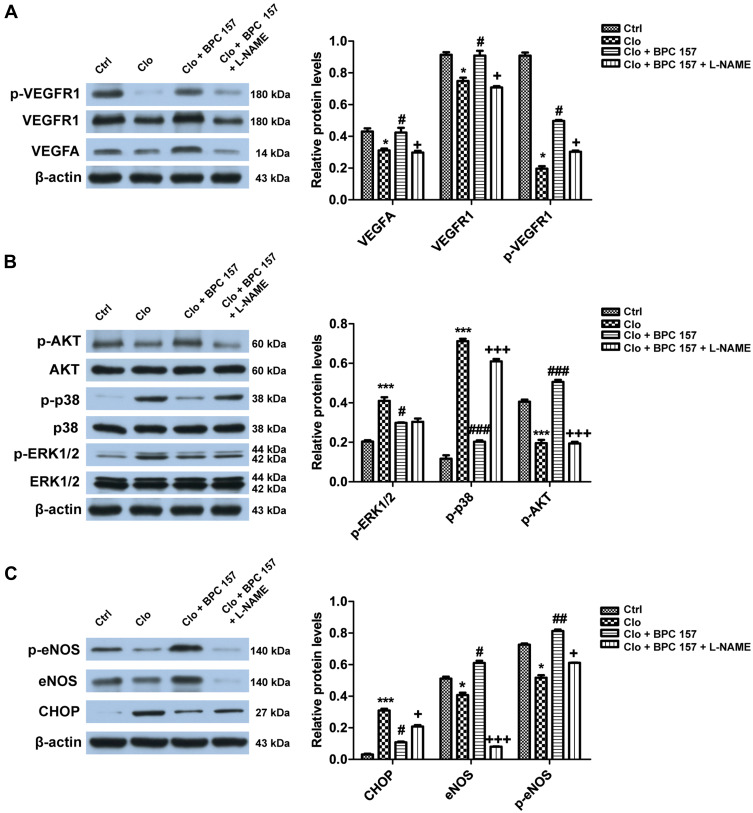
When tissue gets damaged, cells at the injury release VEGF (vascular endothelial growth factor) — a chemical distress flare that tells the body "build new blood vessels here." BPC-157 amplifies that flare. It puts more VEGFR2 receptors on blood vessel cells, making them much more sensitive to the VEGF signal.[12]
The result: faster angiogenesis. New blood vessels form quicker at the injury, delivering more oxygen, more nutrients, and more immune cells where they are needed. In a burn wound model, this VEGF/VEGFR2 mechanism translated into measurably faster healing.[13] Animal Data
Nitric Oxide System Modulation — Opening the Floodgates
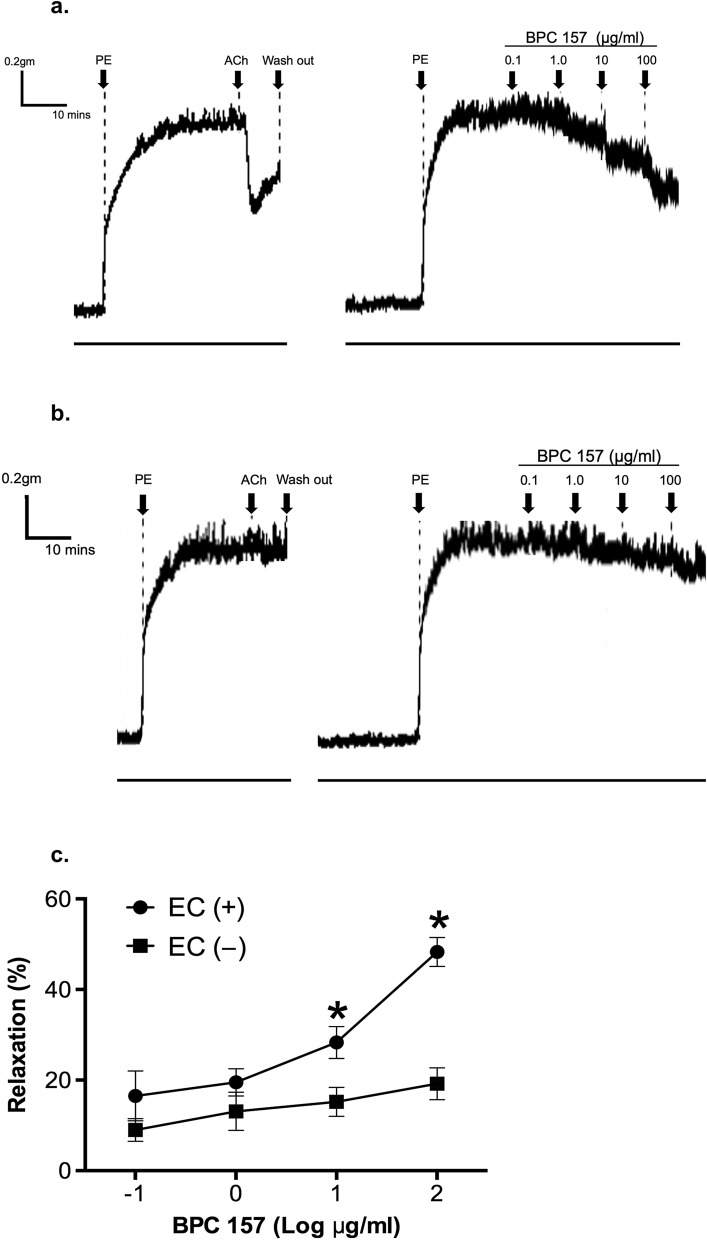
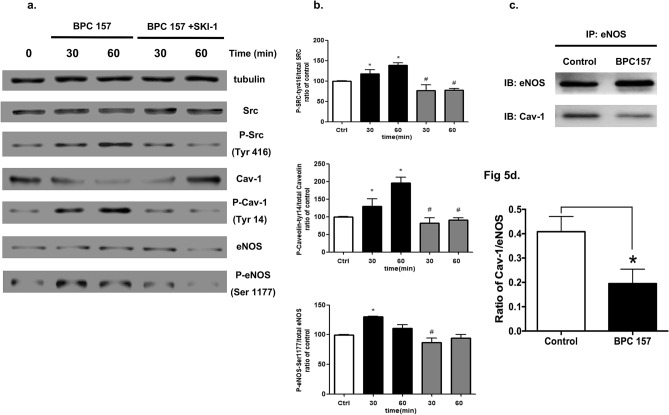
BPC-157 turns on an enzyme called eNOS (endothelial nitric oxide synthase), which makes nitric oxide inside blood vessel walls.[11] Nitric oxide is a powerful vasodilator — it forces blood vessels open wider and pushes more blood toward injured tissue.
But nitric oxide does more than widen blood vessels. It carries anti-inflammatory signals and helps coordinate the cellular cleanup crew that clears damaged tissue before new tissue can move in.
BPC-157 seems to modulate the entire nitric oxide system, not just one piece of it. Animal Data
Growth Factor Cascade — Recruiting the Builders
Beyond VEGF, BPC-157 turns up other growth factors too — EGF (which drives skin and tissue cell division) and FGF (which drives connective tissue repair). In tendon fibroblasts, it activates a pathway called FAK-paxillin, which is the internal machinery cells use to decide where to go and when to divide.[7]
In practical terms: more repair cells move toward the injury, and they multiply faster once they get there. Animal Data + In Vitro
Dopaminergic System Interaction — The Brain Connection
BPC-157 interacts with the dopamine system — the brain's reward and motivation circuitry — in ways that are not fully mapped yet. Animal studies show it can correct dopamine-related problems and may protect against damage from dopaminergic drugs.[2]
This cuts both ways. On one side, it suggests neuroprotection. On the other, it may explain the anhedonia (emotional flatness, reduced motivation) that some people report while on it.
When a compound touches dopamine, the range of possible effects — good and bad — gets a lot wider. Animal Data
Gastrointestinal Cytoprotection — Back to Its Origins
BPC-157 came from a stomach protein, and its most intuitive role is protecting the gut. In animal studies, it shields the stomach lining from NSAID damage, heals colon lesions, and fights alcohol-induced stomach injury.[21],[10]
The gut-protection mechanism involves nitric oxide, the prostaglandin system (the body's local inflammation regulator), and direct protection of the cells that line your stomach and intestines.
Practitioners report seeing gut healing benefits with oral BPC-157 in the clinic — which makes intuitive sense given the compound came from the stomach in the first place. Animal Data + Clinical Observation
graph TD
 A["Tissue Injury
Damage Signal Released"] --> B["VEGF Released
from Damaged Cells"]
 B --> C["BPC-157 Upregulates
VEGFR2 Receptors"]
 C --> D["Amplified VEGF
Signaling"]
 D --> E["Angiogenesis
New Blood Vessel Formation"]
 E --> F["Increased Blood Supply
to Injury Site"]

 A --> G["BPC-157 Activates
eNOS Enzyme"]
 G --> H["Nitric Oxide
Production"]
 H --> I["Vasodilation +
Anti-Inflammatory Signaling"]
 I --> F

 F --> J["Enhanced Oxygen &
Nutrient Delivery"]
 J --> K["Accelerated
Tissue Repair"]

 C --> L["Growth Factor Cascade
EGF, FGF Upregulation"]
 L --> M["Cell Migration &
Proliferation"]
 M --> K

 style A fill:#e4e4e7,stroke:#2a2236,stroke-width:3px,color:#0a0a0a
 style B fill:#f4f4f5,stroke:#5e5645,stroke-width:2px,color:#0a0a0a
 style C fill:#e4e4e7,stroke:#2a2236,stroke-width:2px,color:#0a0a0a
 style D fill:#f4f4f5,stroke:#5e5645,stroke-width:2px,color:#0a0a0a
 style E fill:#f4f4f5,stroke:#a1a1aa,stroke-width:1px,color:#0a0a0a
 style F fill:#f4f4f5,stroke:#5e5645,stroke-width:2px,color:#0a0a0a
 style G fill:#e4e4e7,stroke:#2a2236,stroke-width:2px,color:#0a0a0a
 style H fill:#f4f4f5,stroke:#a1a1aa,stroke-width:1px,color:#0a0a0a
 style I fill:#f4f4f5,stroke:#a1a1aa,stroke-width:1px,color:#0a0a0a
 style J fill:#f4f4f5,stroke:#5e5645,stroke-width:2px,color:#0a0a0a
 style K fill:#e4e4e7,stroke:#2a2236,stroke-width:3px,color:#0a0a0a
 style L fill:#f4f4f5,stroke:#a1a1aa,stroke-width:1px,color:#0a0a0a
 style M fill:#f4f4f5,stroke:#a1a1aa,stroke-width:1px,color:#0a0a0a
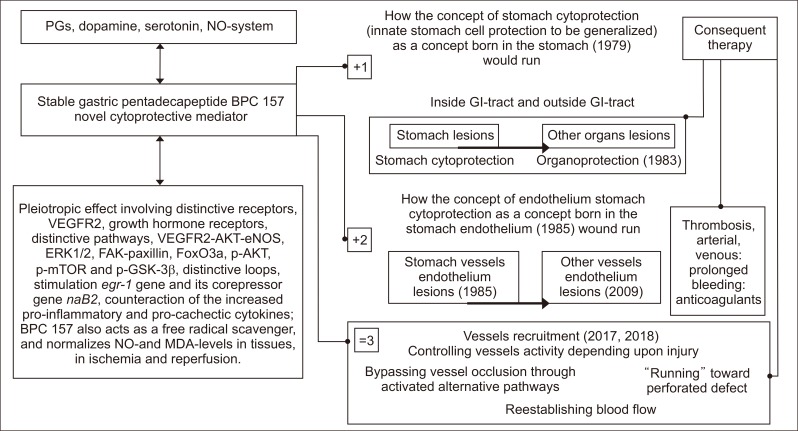
A signal amplifier, not a building material. BPC-157 does not supply raw materials for tissue repair. It coordinates repair by amplifying the signals that bring blood vessels, immune cells, and repair cells to the injury. The distinction matters: BPC-157 does not create new tissue by itself. It speeds up the repair system you already have. Mechanistic Model
Clinical Research — Peer-Reviewed Evidence
The BPC-157 literature is strange in two ways: its scope and its ceiling. Few research compounds can claim effects across this many tissue types in animal models. Even fewer have gone this long without a single completed human trial.
Tendon and Ligament Repair
The musculoskeletal data is the strongest pillar of the BPC-157 evidence base. In rats with fully cut Achilles tendons, BPC-157 treatment sped up healing with better biomechanical properties versus controls.[5] The tendons were not just healing faster — they were healing stronger.
A follow-up study showed BPC-157 helped tendon-to-bone healing after Achilles reattachment — a particularly hard repair because it involves two different tissue types fusing together.[8]
Separate work on the medial collateral ligament (MCL) in rats confirmed the same thing: faster and more complete ligament repair.[6]
At the cell level, in vitro work showed the mechanism behind those structural outcomes: BPC-157 kept tendon cells alive longer, drove them to grow out from the tendon stump, and pushed them toward the injury.[7] The cells responsible for rebuilding tendons were living longer, growing faster, and moving in the right direction. Animal RCT + In Vitro
Muscle Healing
In a muscle-crush injury model in rats, BPC-157 sped up functional recovery — the animals got the use of damaged muscles back faster than untreated controls.[18]
That matters because crush injuries are common in contact sports and training, and their healing timeline usually frustrates athletes and coaches. Animal Study
Gastrointestinal Healing
BPC-157 started as a stomach peptide fragment, so the gut-healing data has a logic the tendon data does not. It came from the stomach. It makes biological sense that it would protect the stomach.
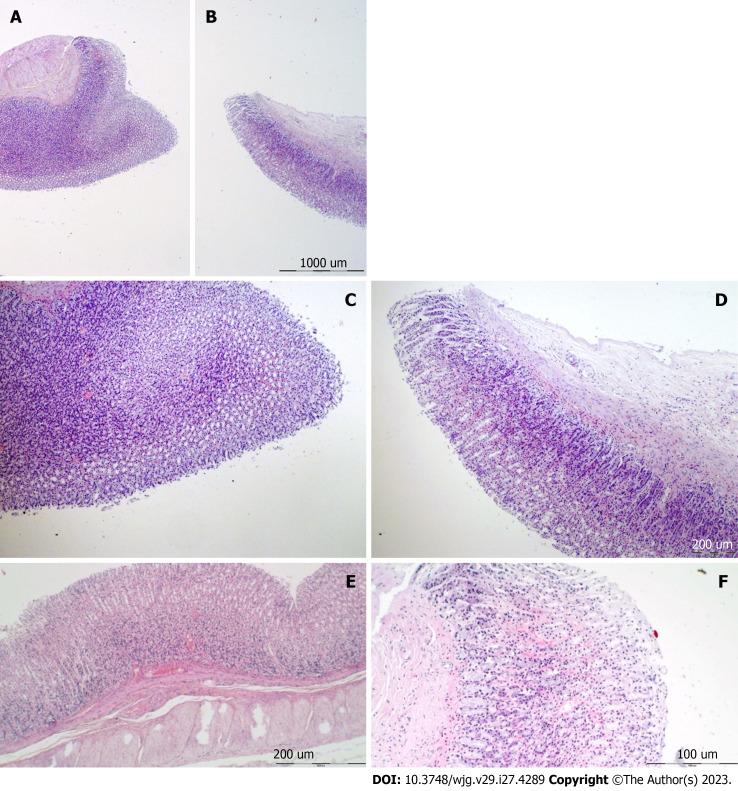
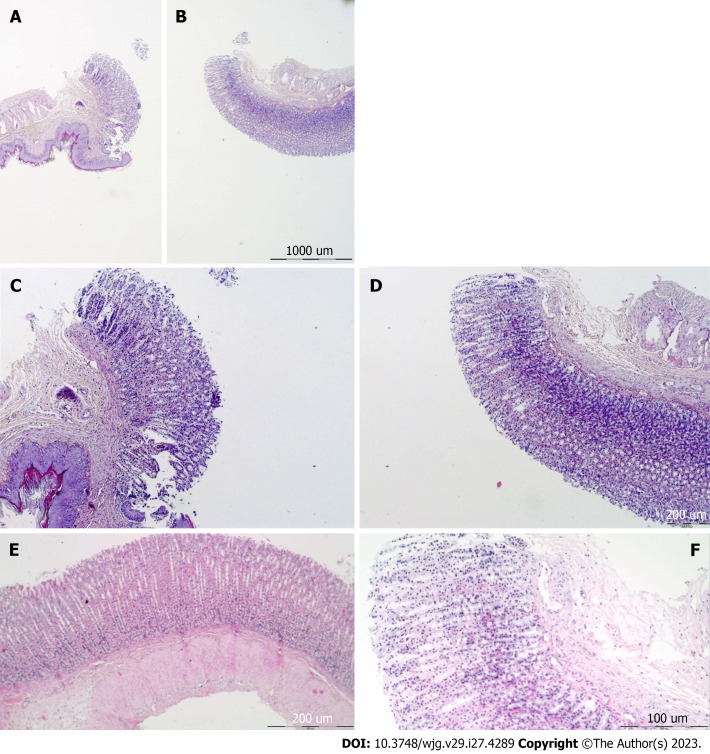
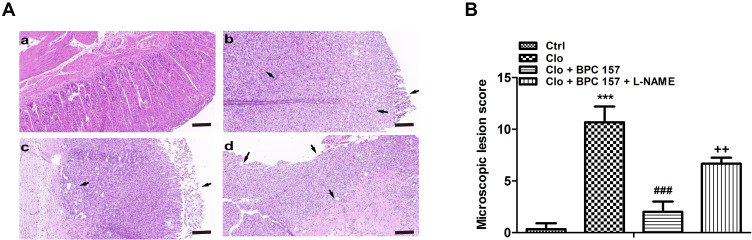
And the data backs that intuition up. Multiple studies from the late 1990s through 2014 document protective effects against NSAID-driven stomach damage, chemical colon lesions, and alcohol-induced stomach injury in rats.[1],[10],[21]
The effects show up consistently across study designs and time periods.
Practitioners report seeing gut healing benefits with oral BPC-157 in the clinic, though no formal trial data backs this up yet. The peptide community tends to have more confidence in oral BPC-157 for gut issues than in injectable BPC-157 for joint injuries — the oral route puts the compound directly on the tissue it was designed to protect. Animal Data + Clinical Observation
Bone Healing
In rabbits with bone defects, BPC-157 built bone as effectively as bone marrow implantation — which is significant, since bone marrow is the gold standard for promoting bone healing in surgery.[17] Animal Study
Burn and Wound Healing
A 2020 study showed BPC-157 sped up burn wound healing in rats via the VEGF/VEGFR2 pathway — the same mechanism from the tendon and ligament studies.[13] That cross-tissue consistency makes the mechanism argument stronger: BPC-157 seems to run the same repair-acceleration pathway no matter which tissue got hurt. Animal Study
Neuroprotection
BPC-157 interacts with the dopamine system in animal models — correcting dopamine-related problems and showing protective effects against neurotoxicity.[2],[15]
Research has also looked at Parkinson's disease models, where the core problem is the progressive loss of dopamine-producing brain cells.
On top of that, BPC-157 has shown protective effects in rat traumatic brain injury (TBI) models. Contact sport and military communities have taken note, since TBI is a major concern in both.[14] Animal Data — Preclinical Models
graph TD
 CENTER["BPC-157
Gastric Pentadecapeptide"] --> T["Tendon / Ligament
Achilles, MCL, Patellar Models"]
 CENTER --> M["Muscle
Crush Injury, Transection"]
 CENTER --> GI["GI Tract
Gastric Mucosa, Colon,
NSAID Protection"]
 CENTER --> BO["Bone
Segmental Defect,
Fracture Models"]
 CENTER --> SK["Skin / Wounds
Burn Healing,
Wound Closure"]
 CENTER --> NS["Nervous System
Dopamine Modulation,
TBI, Neuroprotection"]
 CENTER --> VA["Vascular
Angiogenesis, NO System"]

 style CENTER fill:#e4e4e7,stroke:#2a2236,stroke-width:3px,color:#0a0a0a
 style T fill:#f4f4f5,stroke:#5e5645,stroke-width:2px,color:#0a0a0a
 style M fill:#f4f4f5,stroke:#5e5645,stroke-width:2px,color:#0a0a0a
 style GI fill:#f4f4f5,stroke:#5e5645,stroke-width:2px,color:#0a0a0a
 style BO fill:#f4f4f5,stroke:#a1a1aa,stroke-width:1px,color:#0a0a0a
 style SK fill:#f4f4f5,stroke:#a1a1aa,stroke-width:1px,color:#0a0a0a
 style NS fill:#f4f4f5,stroke:#a1a1aa,stroke-width:1px,color:#0a0a0a
 style VA fill:#f4f4f5,stroke:#a1a1aa,stroke-width:1px,color:#0a0a0a
The Human Data Gap
This is the most important section in this article.
As of 2026, zero completed, peer-reviewed human randomized controlled trials exist for BPC-157. Not for tendon repair. Not for gut healing. Not for neuroprotection. Not for any condition, at any dose, by any route.
A handful of human trials have been registered on ClinicalTrials.gov. Results have not been published. The entire published evidence base rests on three pillars:
- Animal studies — primarily rats, some rabbits. Hundreds of papers.
- In vitro cell culture studies — tendon fibroblasts, endothelial cells, and others.
- Anecdotal reports — from individuals, practitioners, and online communities.
Every specific claim about how BPC-157 works in humans is an extrapolation from animal data. Some of those extrapolations might be right — many compounds that work in rats also work in humans.
Plenty do not. The failure rate of compounds moving from successful animal studies to successful human trials is estimated at 90% or higher.
Compare this to other compounds in the peptide and recovery space. Platelet-rich plasma (PRP) has human clinical trial data. Collagen peptides have human clinical trial data. GHK-Cu has human topical studies. BPC-157 has none.
The absence is the data point. BPC-157 has been studied in animals since the early 1990s — that is over 30 years. It has not advanced to a completed human trial in that time. That is not necessarily because it fails in humans. It could be funding, patentability, or regulatory hurdles. But after three decades, the missing human data is itself a finding you have to acknowledge. Critical Limitation
graph TD
 A["Human RCTs
0 Studies"] --> B["Human Observational
0 Published"]
 B --> C["Independent Lab
Animal Studies
~10-15 Studies"]
 C --> D["Zagreb Lab
Animal Studies
~100+ Studies"]
 D --> E["In Vitro /
Cell Culture Studies"]
 E --> F["Anecdotal /
Clinical Observation"]

 style A fill:#e4e4e7,stroke:#2a2236,stroke-width:3px,color:#0a0a0a
 style B fill:#e4e4e7,stroke:#2a2236,stroke-width:2px,color:#0a0a0a
 style C fill:#f4f4f5,stroke:#5e5645,stroke-width:2px,color:#0a0a0a
 style D fill:#f4f4f5,stroke:#5e5645,stroke-width:2px,color:#0a0a0a
 style E fill:#f4f4f5,stroke:#a1a1aa,stroke-width:1px,color:#0a0a0a
 style F fill:#f4f4f5,stroke:#a1a1aa,stroke-width:1px,color:#0a0a0a
Common Questions — Routes, Comparisons, Stability
Injectable vs. Oral Administration
Most animal studies use injection — subcutaneous, intramuscular, or intraperitoneal. The logic is straightforward: get the compound as close to the injury as possible, skip the stomach.
But BPC-157 is a stomach peptide. It was isolated from gastric juice. Oral dosing has been studied in animals for GI conditions and seems to work.[1] Practitioners report the oral route makes more sense for gut conditions, since the compound came from the digestive tract and would naturally contact GI tissue when swallowed.
For joint and tendon injuries, injection near the injury is what the animal literature actually supports. Some animal studies have also shown that systemic (distant) dosing produces effects — which suggests the mechanism may not always need local delivery.
No human pharmacokinetic data exists for either route. Data Gap
BPC-157 vs. PRP (Platelet-Rich Plasma)
PRP has completed human clinical trials. BPC-157 has not. That alone puts them in different evidence categories.
Both promote new blood vessel growth and growth factor activity. But PRP is autologous — made from your own blood — which eliminates any contamination or purity concerns. BPC-157 is a synthetic peptide from an unregulated gray market, where quality control is an open question. Comparative Context
Stability and Degradation
The literature calls BPC-157 "stable" compared to native BPC, which breaks down fast. Reconstituted peptide kept in bacteriostatic water and refrigerated lasts about 30 days. Freeze-dried powder keeps longer if stored properly.
These stability details matter because peptide degradation means loss of biological activity. An expired or poorly stored vial may contain nothing that actually works.
Acute vs. Chronic Injuries
Practitioners report BPC-157 seems to work better for acute injuries than chronic conditions. The BPC-157/TB-500 combo is generally seen in the clinic as better for fresh injuries than long-standing ones.
This has not been formally studied, but it fits the mechanism: VEGF-driven angiogenesis is a response to acute damage, not a fix for long-term structural wear. Clinical Observation
Risk Profile Analysis
Risk 1: Angiogenesis and Tumor Growth
This is the risk most BPC-157 discussions either ignore or dismiss too quickly. It deserves a careful look.
BPC-157's core mechanism — VEGF upregulation and new blood vessel formation — is the exact same process tumors use to grow. Tumors need a blood supply. They recruit blood vessels through the same VEGF pathway BPC-157 amplifies.[4]
No direct evidence ties BPC-157 to cancer. No animal study has reported tumor formation or acceleration.
But no study has specifically looked for it over long timeframes, either. The FDA cited this concern as part of its Category 2 classification decision.
For people with known cancer, the theoretical risk is clear. For people with undetected cancer — a larger group than most people assume — the risk is unknown. Theoretical — Mechanistic Plausibility
Risk 2: No Human Safety or Toxicology Data
Animal toxicity studies report no LD50 (the dose at which half of subjects die) even at very high doses.[3] That sounds reassuring until the next sentence: no human safety trial has ever been run.
Absence of harm in rats is not the same thing as evidence of safety in humans. No long-term exposure data exists in any species. Data Gap
Risk 3: Product Quality and Contamination
BPC-157 is not made under pharmaceutical GMP (Good Manufacturing Practice) standards. It is produced by research chemical suppliers, many of whom have no meaningful quality oversight.
Certificates of analysis (COAs) can be faked. Purity varies between batches and between suppliers. Documented risks in the gray-market peptide supply chain include:
- Heavy metal contamination
- Bacterial endotoxins
- Incorrect peptide sequences — the vial may contain a different peptide entirely
This is not a theoretical concern. It is a real one for every person sourcing BPC-157 from a research chemical supplier. Practical Reality
Risk 4: Dopamine System Effects — Anhedonia Reports
Some people report emotional blunting, reduced motivation, or anhedonia — a flattening of the ability to feel pleasure — during BPC-157 use.
BPC-157 touches the dopaminergic system in animal studies,[2] and those subjective reports have a mechanistic basis: changing dopamine receptor sensitivity can dampen reward and motivation.
This effect has not been formally studied. It exists only as anecdotal reports from user communities. But the frequency of the reports plus the mechanistic plausibility make it worth noting. Anecdotal + Mechanistic Plausibility
Risk 5: Drug Interactions
No formal drug interaction studies have been run in humans. Since BPC-157 modulates both the nitric oxide and dopamine systems, theoretical interactions exist with:
- Blood pressure medications — via nitric oxide overlap
- Dopaminergic drugs — including Parkinson's medications and certain antidepressants
- Nitrates — compounding vasodilation effects
- Anticoagulants — via vascular system modulation
People on any of these medication classes face an extra layer of unknown risk. For women specifically: BPC-157 has zero safety data in pregnancy, breastfeeding, or fertility contexts. Its VEGF-upregulating mechanism has direct relevance to endometrial vascularization and placental development — processes where uncontrolled angiogenesis could be harmful. Women who are pregnant, planning pregnancy, or breastfeeding should not use BPC-157 under any circumstances. Women on hormonal contraceptives face an additional unknown: no interaction data exists between BPC-157 and exogenous estrogens or progestins. Data Gap
Risk 6: Regulatory and Legal Risk
The FDA's Category 2 classification means compounding pharmacies cannot produce BPC-157. It is not a dietary supplement. It is not a pharmaceutical. It is a research chemical in a regulatory gray zone.
Buying it for personal use is legally ambiguous, and the regulatory trend suggests things will tighten, not loosen. Regulatory Fact
The tumor concern is not paranoia. The FDA did not classify BPC-157 as Category 2 because it has been proven dangerous. The classification reflects the fact that the angiogenesis mechanism is well-linked to tumor biology, and no safety data exists to rule the risk out. This is a case where the mechanism of benefit and the mechanism of potential harm are the same pathway. Regulatory Fact
Evidence Synthesis
The Paradox
BPC-157 presents a paradox unlike anything else in the peptide space. The animal evidence is huge, consistent, and mechanistically coherent. Across tendon, ligament, muscle, gut, bone, skin, and nervous tissue, the compound produces tissue-repair effects through a well-characterized VEGF/NO pathway.
This is not a case of one promising study nobody could replicate. The effect has been shown over and over, across tissue types, across decades.
And yet — no human trial. Not one.
The "One Lab" Question
A big chunk of BPC-157 research comes from one research group at the University of Zagreb in Croatia. That concentration is both a strength (deep expertise, consistent methods) and a weakness (less independent replication).
That said, the picture is not as narrow as it looks. Independent labs have run confirmatory studies. The VEGFR2 activation work came out of Taiwan.[12] The burn wound study was independent.[13] The tendon cell migration work involved independent collaboration.[7] The core findings do not rest on a single lab's word alone.
Why No Human Trials?
A few factors probably contribute. The main research group is academic, not a pharmaceutical company with clinical trial funding. BPC-157's natural peptide sequence makes it hard to patent — you cannot lock down IP on a sequence pulled from human gastric juice. That kills the commercial incentive to invest tens of millions in clinical trials.
The FDA's Category 2 classification has made any path to human studies even harder.
These are explanations, not excuses. They explain the gap. They do not close it.
Mixed Anecdotal Reports
One pattern keeps showing up from practitioners and users: results are mixed. Some people report dramatic healing. Others report nothing.
Clinician feedback splits the same way — some see meaningful improvements, others say no patient has described BPC-157 as a game-changer.
That variability is exactly what you would expect from a compound whose human pharmacokinetics are unknown, whose optimal dose and route have never been established in humans, and whose product quality varies wildly between sources. Clinical Observation + Anecdotal
For Physique Enhancement
Interest in BPC-157 within the physique and performance community centers on places where the animal data meets real-world training problems.
Recovery from Soft Tissue Injuries
Tendon, ligament, and muscle injuries are the bane of hard training. The animal data on tendon and ligament repair is the strongest evidence BPC-157 has.[5],[6],[8] For people dealing with nagging soft tissue injuries during intense training, the mechanism makes sense even if the human evidence does not exist yet.
That said, BPC-157 is not a replacement for proper injury management — rest, PT, and real medical evaluation are still the foundation. Compounds in the connective-tissue space that actually have human data include collagen peptides, MSM, and omega-3 fatty acids. The joint and connective tissue protocol covers evidence-based approaches that do not require gray-market sourcing.
The "Wolverine Stack" — BPC-157 + TB-500
The combo of BPC-157 and TB-500 (a fragment of thymosin beta-4) is the most-discussed peptide stack in the enhancement community.
On paper the logic is sound: BPC-157 drives new blood vessel growth through VEGF/NO pathways, while TB-500 promotes cell migration via actin sequestering — a process where TB-500 releases stored actin, letting cells reshape themselves and move toward damaged tissue. Two pathways hitting the same endpoint: faster repair.
Real-world results are genuinely mixed. Some people report big healing benefits. Others report nothing. Practitioners suggest the stack works better for fresh injuries than chronic ones, and concerns about receptor saturation at high doses come up in clinical discussions. Anecdotal + Mechanistic Extrapolation
graph LR
 subgraph BPC["BPC-157 — SUPPLY"]
 B1["VEGF/VEGFR2
Upregulation"]
 B2["Nitric Oxide
Signaling"]
 B3["New Blood Vessel
Formation"]
 end

 subgraph TB["TB-500 — MOBILIZE"]
 T1["Actin Sequestering
and Release"]
 T2["Cell Migration
Acceleration"]
 T3["Tissue
Remodeling"]
 end

 subgraph COMBINED["COMBINED EFFECT"]
 C1["Angiogenesis from
Two Entry Points"]
 C2["Supply + Construction
Synergy"]
 C3["Theoretical Receptor
Saturation Risk
at High Doses"]
 end

 B3 --> C1
 T3 --> C1
 C1 --> C2
 C2 --> C3

 style BPC fill:#f4f4f5,stroke:#5e5645,stroke-width:2px,color:#0a0a0a
 style TB fill:#f4f4f5,stroke:#5e5645,stroke-width:2px,color:#0a0a0a
 style COMBINED fill:#e4e4e7,stroke:#2a2236,stroke-width:2px,color:#0a0a0a
 style B1 fill:#f4f4f5,stroke:#a1a1aa,stroke-width:1px,color:#0a0a0a
 style B2 fill:#f4f4f5,stroke:#a1a1aa,stroke-width:1px,color:#0a0a0a
 style B3 fill:#f4f4f5,stroke:#a1a1aa,stroke-width:1px,color:#0a0a0a
 style T1 fill:#f4f4f5,stroke:#a1a1aa,stroke-width:1px,color:#0a0a0a
 style T2 fill:#f4f4f5,stroke:#a1a1aa,stroke-width:1px,color:#0a0a0a
 style T3 fill:#f4f4f5,stroke:#a1a1aa,stroke-width:1px,color:#0a0a0a
 style C1 fill:#e4e4e7,stroke:#2a2236,stroke-width:2px,color:#0a0a0a
 style C2 fill:#f4f4f5,stroke:#5e5645,stroke-width:1px,color:#0a0a0a
 style C3 fill:#f4f4f5,stroke:#5e5645,stroke-width:1px,color:#0a0a0a
Gut Health During Intense Training
Hard training, regular NSAID use, high protein intake, and stress all chip away at gut barrier integrity — the lining that keeps your digestive system separated from your bloodstream. This is relevant for both sexes, but women have higher documented rates of IBS, functional gut disorders, and stress-related GI issues — conditions where BPC-157's gut-protective animal data is most mechanistically aligned.
The animal data on BPC-157's gut-protective effects is consistent and mechanistically sound.[1],[21] For people in the physique community dealing with GI issues, oral BPC-157 is the application with the most biological plausibility — it contacts the gut epithelium directly and the animal models show dose-dependent cytoprotection. That said, oral bioavailability and the specific conditions under which it helps in humans remain unconfirmed. For women dealing with exercise-induced GI distress or NSAID-related gut issues, the mechanistic rationale is the same. The evidence gap is also the same: no human RCTs, in either sex.
Companion compounds with actual human evidence for gut and systemic inflammation include omega-3 fatty acids and taurine. For connective tissue repair — a related application — collagen peptides with vitamin C have human trial data that BPC-157 currently lacks.
Context for the Enhancement Community
BPC-157 often gets stacked with other recovery compounds in the enhancement community — including nandrolone and growth hormone for post-surgery or post-injury protocols. None of these combinations have been formally studied.
The angiogenesis mechanism is worth context for anyone who might have an unscreened health condition, especially given the theoretical tumor-growth concern in the Risk Profile section. Women should additionally note that hormonal fluctuations across the menstrual cycle affect baseline angiogenesis and inflammatory signaling — another layer of unknown interaction on top of an already uncharacterized compound. Anecdotal + Mechanistic — not established in humans.
For Cognitive Enhancement
The cognitive angle for BPC-157 rests on three indirect connections. None of them are backed by direct cognitive performance data in any species.
Dopamine System Modulation
BPC-157's interaction with the dopamine system[2] has theoretical neuroprotective implications. For people using stimulants or other CNS-active compounds, a peptide that buffers dopamine damage sounds appealing.
But the same dopamine interaction creates a risk. The anhedonia reports from users suggest BPC-157 may blunt the motivation and reward processing that depend on healthy dopamine signaling. Neuroprotection and dopamine dampening may be two sides of the same mechanism.
Companion neuroprotective compounds with stronger evidence include Lion's Mane and CoQ10.
Traumatic Brain Injury Repair
The TBI model data[14] is relevant for contact sport athletes and military personnel. But the data exists only in rat models, and going from a rat TBI model to human brain injury recovery is a stretch the current evidence cannot make.
Gut-Brain Axis
If BPC-157 improves gut barrier integrity, downstream cognitive benefits are plausible through reduced systemic inflammation. A leaky gut lining lets inflammatory molecules into the bloodstream, and systemic inflammation is increasingly linked to cognitive dysfunction.
This logic chain is sound — but every link in it, for BPC-157 specifically, is still unproven in humans.
Compounds with more established evidence for the gut-brain connection include omega-3 fatty acids and the cellular repair pathways supported by NMN/NR. Theoretical Extrapolation
Conclusions
BPC-157 is one of the most extensively studied peptides in animal models. The data is consistent across tissue types, consistent across decades, and mechanistically coherent.
The VEGF/NO pathway explanation is well-characterized and independently confirmed by labs outside the original Zagreb group.
None of that changes the defining limit: the complete absence of human clinical trial data. You cannot wave that away with the volume of animal studies.
Rat models and human biology overlap enough to make animal data informative, but not enough to make it conclusive. Drug development history is full of compounds that worked beautifully in rodents and failed in humans.
The FDA's Category 2 classification and the compounding pharmacy restrictions signal institutional skepticism. The angiogenesis/tumor concern is theoretical but mechanistically real — the same pathway that heals is the same pathway that feeds tumors.
Gray-market product quality is an uncontrolled variable that adds risk on top of the already-uncertain pharmacology.
The mixed anecdotal reports — some people have dramatic benefits, others experience nothing — fit a compound whose optimal dose, route, and patient selection have never been worked out in humans.
Anyone who chooses to research this compound does it accepting real uncertainty. The animal data gives you a mechanistic rationale. It does not give you proof of human efficacy or safety.
No dosing protocol provided. This article does not give dosing guidance for BPC-157. Animal studies used various doses in the microgram-per-kilogram range by injection and orally. Reporting what animals got in controlled studies is not the same as giving human dosing guidance — that would require human pharmacokinetic, safety, and efficacy data that does not exist. No Human Data
References
- Sikiric P, et al. Stable gastric pentadecapeptide BPC 157. Gastrointestinal tract healing, a novel mechanism of action, and potential clinical use. Curr Pharm Des. 1999;5(3):195-207. PubMed
- Sikiric P, et al. Brain-gut axis and pentadecapeptide BPC 157: theoretical and practical implications. Curr Neuropharmacol. 2016;14(8):857-865. PubMed
- Sikiric P, et al. The pharmacological properties of the novel peptide BPC 157 (PL-10). Inflammopharmacology. 1999;7(1):1-14. PubMed
- Seiwerth S, et al. BPC 157 and standard angiogenic growth factors. Gastrointestinal tract healing, lesson from tendon, ligament, and bone healing. Curr Pharm Des. 2018;24(18):1972-1989. PubMed
- Staresinic M, et al. Gastric pentadecapeptide BPC 157 accelerates healing of transected rat Achilles tendon and in vitro stimulates tendocytes growth. J Orthop Res. 2003;21(6):976-983. PubMed
- Cerovecki T, et al. Pentadecapeptide BPC 157 (PL 10) promotes tendon healing — tendon-to-bone healing after transection of the medial collateral ligament. J Orthop Res. 2010;28(9):1155-1163. PubMed
- Chang CH, et al. The promoting effect of pentadecapeptide BPC 157 on tendon healing involves tendon outgrowth, cell survival, and cell migration. J Appl Physiol. 2011;110(3):774-780. PubMed
- Krivic A, et al. Achilles detachment in rat and stable gastric pentadecapeptide BPC 157: Promoted tendon-to-bone healing after reattachment. J Orthop Res. 2006;24(3):515-522. PubMed
- Sikiric P, et al. Pentadecapeptide BPC 157 interactions with adrenergic and dopaminergic systems in mucosal protection in stress. Dig Dis Sci. 2003;48(4):765-773. PubMed
- Sikiric P, et al. Therapy effect of antiulcer agents on new chronic cysteamine colon lesion in rat. J Physiol Paris. 2001;95(1-6):283-288. PubMed
- Sikiric P, et al. Stable gastric pentadecapeptide BPC 157-NO-system relation. Curr Pharm Des. 2014;20(7):1126-1135. PubMed
- Hsieh MJ, et al. Therapeutic potential of pro-angiogenic BPC157 is associated with VEGFR2 activation and up-regulation. J Mol Med. 2017;95(3):323-333. PubMed
- Huang T, et al. Pentadecapeptide BPC 157 can promote the healing of burn wounds through the VEGF/VEGFR2 pathway. Peptides. 2020;124:170215. PubMed
- Sikiric P, et al. Pentadecapeptide BPC 157 and its role in accelerating musculoskeletal soft tissue healing. Cell Mol Life Sci. 2022;79(1):1-21. PubMed
- Sikiric P, et al. Stable gastric pentadecapeptide BPC 157 in trials for inflammatory bowel disease — a lesson from Parkinson's disease. Inflammopharmacology. 2020;28(1):1-19. PubMed
- Ilic S, et al. Stable gastric pentadecapeptide BPC 157 and wound healing. Front Pharmacol. 2022;13:1037568. PubMed
- Sebecic B, et al. Osteogenic effect of a gastric pentadecapeptide, BPC-157, on the healing of segmental bone defect in rabbits: a comparison with bone marrow and autologous cortical bone implantation. Bone. 1999;24(3):195-202. PubMed
- Novinscak T, et al. Gastric pentadecapeptide BPC 157 as an effective therapy for muscle crush injury in the rat. Surg Today. 2008;38(8):716-725. PubMed
- Sikiric P, et al. Pentadecapeptide BPC 157 attenuates chronic alcohol drinking and the alcohol deprivation effect in rats. J Physiol Pharmacol. 2019;70(3). PubMed
- Sikiric P, et al. Toxicity by NSAIDs. Counteraction by stable gastric pentadecapeptide BPC 157. Curr Pharm Des. 2013;19(1):76-83. PubMed
- Sikiric P, et al. Pentadecapeptide BPC 157 positively affects both non-steroidal anti-inflammatory agent-induced gastrointestinal lesions and adjuvant arthritis in rats. J Physiol Paris. 1999;93(6):497-504. PubMed
Frequently Asked Questions
BPC-157 is a synthetic 15-amino-acid peptide based on a protein found in human gastric juice. It is a research chemical, and it has been studied heavily in animal models for tissue repair, gut healing, and neuroprotection. It has no FDA approval and no completed human clinical trials. Research Chemical
As of 2026, no completed, peer-reviewed human randomized controlled trials exist for BPC-157. The entire published evidence base is animal studies (mostly rats), in vitro cell culture work, and anecdotal clinical observations. A handful of human trials have been registered on ClinicalTrials.gov, but results have not been published. Critical Limitation
In animal studies, BPC-157 increases VEGFR2 receptors (making cells more sensitive to VEGF signals), boosts nitric oxide production (which widens blood vessels), and activates growth factor cascades like EGF and FGF. The result: more blood vessel formation at injury sites and faster cell movement and multiplication.[12],[11],[7] Animal Data
BPC-157 sits in a regulatory gray zone. It is not FDA-approved for human use, not a dietary supplement, and the FDA has classified it as Category 2 — meaning compounding pharmacies cannot make it. It is sold as a "research chemical" by peptide suppliers, and buying it for personal use is legally ambiguous. Regulatory Fact
No direct evidence ties BPC-157 to cancer. But BPC-157's main mechanism — promoting new blood vessel formation — is the same process tumors use to grow and spread. That creates a theoretical concern, especially for people with known or undetected cancer. No long-term safety data exists in any species. The FDA cited this concern in its Category 2 classification.[4] Theoretical Risk
Animal studies have shown BPC-157 is orally active, especially for gut conditions. That makes mechanistic sense — BPC is naturally found in gastric juice. Some practitioners report gut healing benefits from oral dosing. For joint and muscle injuries, most animal studies used injection (subcutaneous, intramuscular, intraperitoneal).[1] Animal Data + Clinical Observation
The "Wolverine Stack" is the combo of BPC-157 and TB-500 (thymosin beta-4 fragment), popular in the enhancement community. Both peptides promote new blood vessel growth through different mechanisms — BPC-157 via VEGF/NO and TB-500 via actin regulation and cell migration. Anecdotal results are mixed: some people report big healing benefits, others nothing. Anecdotal
Some people report emotional blunting or reduced motivation during BPC-157 use. BPC-157 interacts with the dopamine system in animal studies,[2] which could alter dopamine receptor sensitivity. This side effect has not been formally studied and exists only as anecdotal reports, but the mechanistic basis makes it plausible. Anecdotal + Mechanistic Plausibility
A few factors probably contribute: the main research group is academic (University of Zagreb), not a pharmaceutical company with clinical trial funding; BPC-157's natural peptide sequence makes it hard to patent, which kills commercial incentive; and the regulatory pathway for a peptide derived from gastric juice is unclear. The FDA's Category 2 classification has made any path to human trials even harder. Structural Barriers
No. BPC-157 is a specific 15-amino-acid sequence with signaling and receptor activity. Collagen peptides are broken-down structural proteins that supply amino acid building blocks (glycine, proline, hydroxyproline) for connective tissue synthesis. They have completely different mechanisms, evidence bases, and regulatory statuses. Collagen peptides have human clinical trial data. BPC-157 does not. Chemical Classification
the V3 approach.
Every compound on this site is one piece. Protocols.is is the whole system — interaction checker, protocol explorer, biomarker tracker, weekly check-in, and pre-built protocols across every major goal. Evidence-cited. One place. One price.
Disclaimer
This article is for educational and entertainment purposes only. Nothing here is medical advice, diagnosis, or a prescription. Do not start, stop, or change any compound, supplement, or protocol without talking to a qualified physician. Many compounds referenced on this site are unapproved research chemicals, prescription drugs, or substances that require direct medical supervision. Protocols.is does not diagnose, treat, or prescribe.